Using craniosacral therapy to reset from chronic stress
Stacy Kelly
Living in Chronic Stress? Your Nervous System May Need Support
If you’re constantly feeling tense, overwhelmed, or unable to truly relax, your nervous system may be stuck in chronic stress mode. Over time, this ongoing “fight or flight” response can affect sleep, digestion, mood, and overall well-being. Craniosacral therapy (CST)
is a gentle, hands-on approach that may help the nervous system reset, allowing the body to shift into a calmer, more balanced state.
What Is Craniosacral Therapy?
Craniosacral therapy is a light-touch manual therapy that focuses on the craniosacral system — the membranes and cerebrospinal fluid surrounding the brain and spinal cord. Practitioners use subtle touch to identify and release restrictions in this system, supporting the body’s natural ability to self-regulate and heal.
During a session, clients typically remain fully clothed while the practitioner gently places their hands on areas such as the head, neck, spine, or sacrum. Many people report experiencing deep relaxation and nervous system calm during and after treatment.
How Chronic Stress Affects the Nervous System
The autonomic nervous system has two primary branches:
• Sympathetic nervous system – “fight or flight”
• Parasympathetic nervous system – “rest and digest”
When stress becomes chronic, the sympathetic system stays activated for too long. This can lead to:
• Elevated cortisol levels
• Muscle tension and pain
• Poor sleep and digestion
• Anxiety or emotional overwhelm
The body essentially loses its ability to fully relax and recover.
How Craniosacral Therapy Helps Reset the Nervous System
1. Encouraging Parasympathetic Activation
One of the key benefits of craniosacral therapy is its potential to support a shift toward parasympathetic nervous system activity, which is essential for healing and restoration.
Research suggests CST may increase markers associated with parasympathetic tone, such as heart rate variability, indicating a calmer nervous system state.
2. Reducing Stress Hormones
Scientific studies have found that craniosacral therapy may help reduce stress-related hormones, including cortisol and corticotropin-releasing hormone (CRH). Lower levels of these hormones are associated with improved relaxation, emotional balance, and resilience to stress.
3. Releasing Stored Tension in the Body
Stress is not only mental — it is stored physically in muscles, fascia, and connective tissue. CST works gently with these tissues, helping release long-held tension patterns that can keep the nervous system in a guarded state.
Clients often describe feeling:
• A sense of lightness
• Deeper breathing
• Improved sleep
• Emotional ease
What Does the Research Say About Craniosacral Therapy?
While research on craniosacral therapy is still evolving, studies focusing on stress regulation and nervous system response show promising results. Some reviews note limitations in study size and methodology, but consistent findings point toward CST’s ability to support relaxation and reduce stress-related symptoms.
It’s important to view CST as a complementary therapy, not a replacement for medical or mental health care.
Is Craniosacral Therapy Right for You?
Craniosacral therapy may be beneficial if you are experiencing:
• Chronic stress or burnout
• Anxiety or nervous system dysregulation
• Tension headaches or neck pain
• Difficulty relaxing or sleeping
As with any therapeutic approach, individual experiences vary. Consulting with a qualified practitioner and integrating CST into a broader self-care routine can help maximize benefits.
Final Thoughts: Supporting Nervous System Balance Naturally
In a world where stress is often unavoidable, supporting your nervous system is essential. Craniosacral therapy offers a gentle, non-invasive way to encourage relaxation, reduce stress hormones, and help the body return to balance.
By addressing both the physical and neurological effects of chronic stress, CST may play a valuable role in helping people feel more grounded, resilient, and at ease.
Sources: Upledger Institute / Cleveland Clinic, PubMed, National Institutes of Health (NIH), Craniosacral Therapy Association, Medical News Today.
https://my.clevelandclinic.org/health/treatments/17677-craniosacral-therapy
https://cranialsacraltherapy.org
https://pubmed.ncbi.nlm.nih.gov/39156412/
https://pmc.ncbi.nlm.nih.gov/articles/PMC10669461/
https://cranialsacraltherapy.org/blog/how-cranial-sacral-therapy-promotes-relaxation
https://www.medicalnewstoday.com/articles/318490
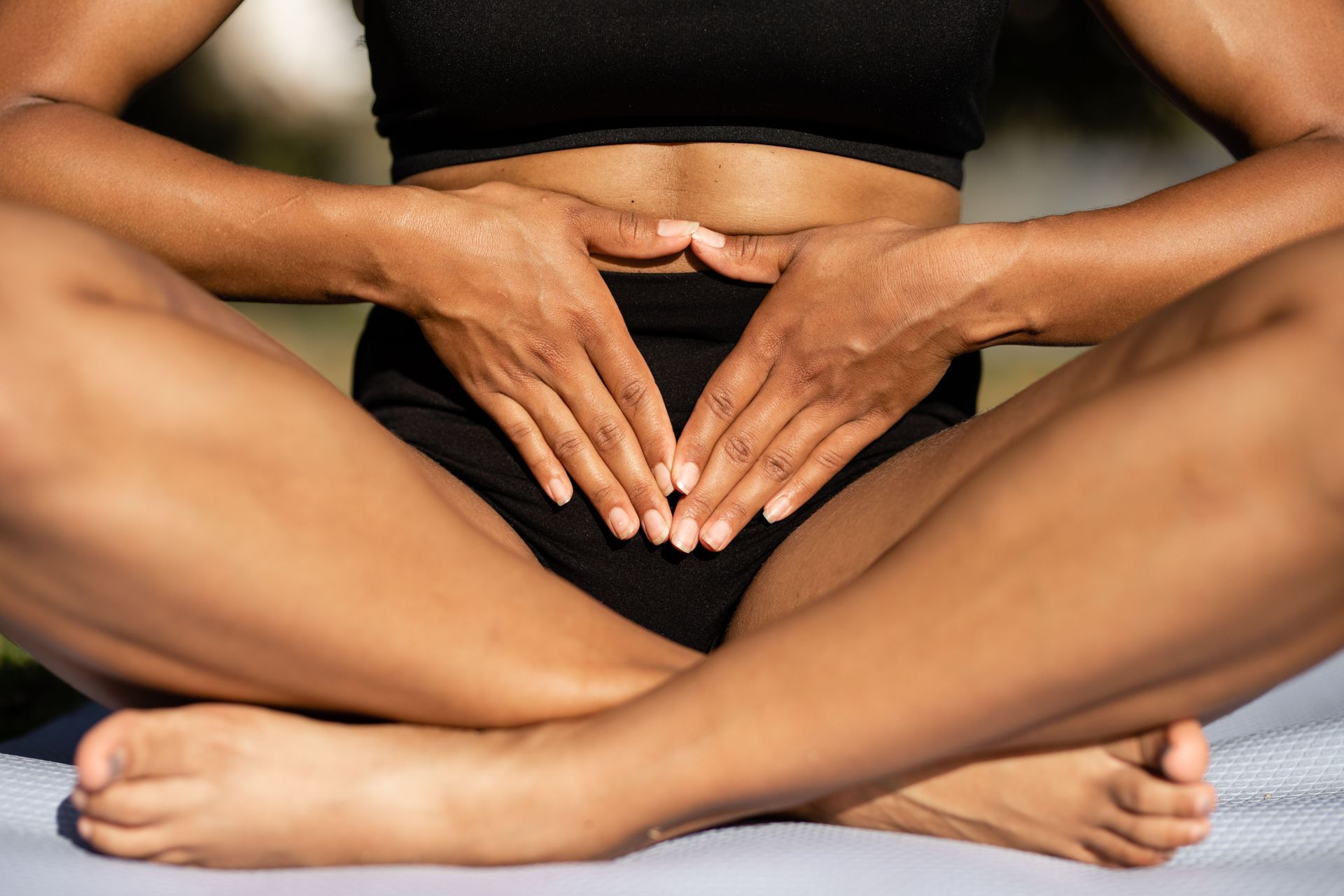
Pelvic pain and pelvic floor dysfunction can really disrupt life for many women, causing discomfort and affecting everything from daily activities to emotional well-being. Understanding this pain can be tricky because it often involves a mix of physical and emotional factors. But there’s some hope with treatments like visceral manipulation and neural manipulation, which are gaining popularity as alternative therapies. What Are Visceral and Neural Manipulation? Visceral Manipulation is a hands-on therapy created by French osteopath Jean-Pierre Barral. This technique focuses on your internal organs (the viscera) and the tissues around them. The idea is that by gently feeling and mobilizing these areas, practitioners can help the tissue work better and feel less painful. Neural Manipulation is another technique from Barral that zeroes in on the nervous system. It looks at how restrictions around the nerves can lead to pain or dysfunction. By addressing these issues, neural manipulation aims to improve communication between your body and brain, potentially easing pain. How Can These Techniques Help with Pelvic Pain? Getting to the Root of the Problem : Many times, pelvic pain comes from issues like scar tissue or inflammation in the pelvic area. Both visceral and neural manipulation focus on these underlying problems, helping to reduce discomfort and improve function. Boosting Blood Flow and Nerve Function : By using various techniques, visceral manipulation can improve blood flow to the pelvic region, which helps with healing and reduces inflammation. Neural manipulation can also restore proper nerve function, potentially lowering the pain signals your brain receives. Emotional Release : Pelvic pain often brings emotional stress along with it. Both therapies can help release some of that emotional baggage by addressing the physical tension in the body, allowing women to feel more in control of their health. A Holistic Approach : These therapies don’t just treat physical symptoms; they also consider emotional and psychological factors. This all-around approach helps women understand their bodies better and encourages them to take charge of their health. What Do the Studies Say? While research is ongoing, some studies and patient stories support the effectiveness of these treatments. For example: A study in the Journal of Bodywork and Movement Therapies showed that women with chronic pelvic pain experienced significant improvements after visceral manipulation. They reported feeling less pain and a better quality of life, suggesting this therapy could be a game-changer (Roth et al., 2012). Anecdotal evidence around neural manipulation indicates that it can help with pelvic floor dysfunction. Many patients say they feel more in tune with their bodies and experience less pain after treatment. Visceral and neural work, or internal pelvic floor therapy? While visceral and neural manipulation provide a great framework for addressing adhesions and inflammation within the pelvic bowl, the results of this work can also be enhanced with traditional physical therapy from a trained pelvic floor therapist. This type of therapy typically involves hands-on techniques that focus on the pelvic floor muscles, aiming to identify and address tightness, weakness, or dysfunction in these muscles, which can contribute to pelvic pain and issues like incontinence. During sessions, the therapist might use gentle pressure or specific exercises to help relax tight muscles or strengthen weaker ones. This approach not only helps improve physical function but also enhances body awareness, empowering women to better understand their pelvic health. Many patients report feeling more comfortable and in control after just a few sessions, making it a valuable part of a holistic treatment plan. Are you searching for a phenomenal pelvic floor physical therapist in Ann Arbor? Check out Dr. Bridget Kane at Resilient Root Physical Therapy Sources: Roth, B., et al. (2012). "Visceral Manipulation: A Review of the Literature." Journal of Bodywork and Movement Therapies. Barral, J.-P. (2011). Visceral Manipulation.
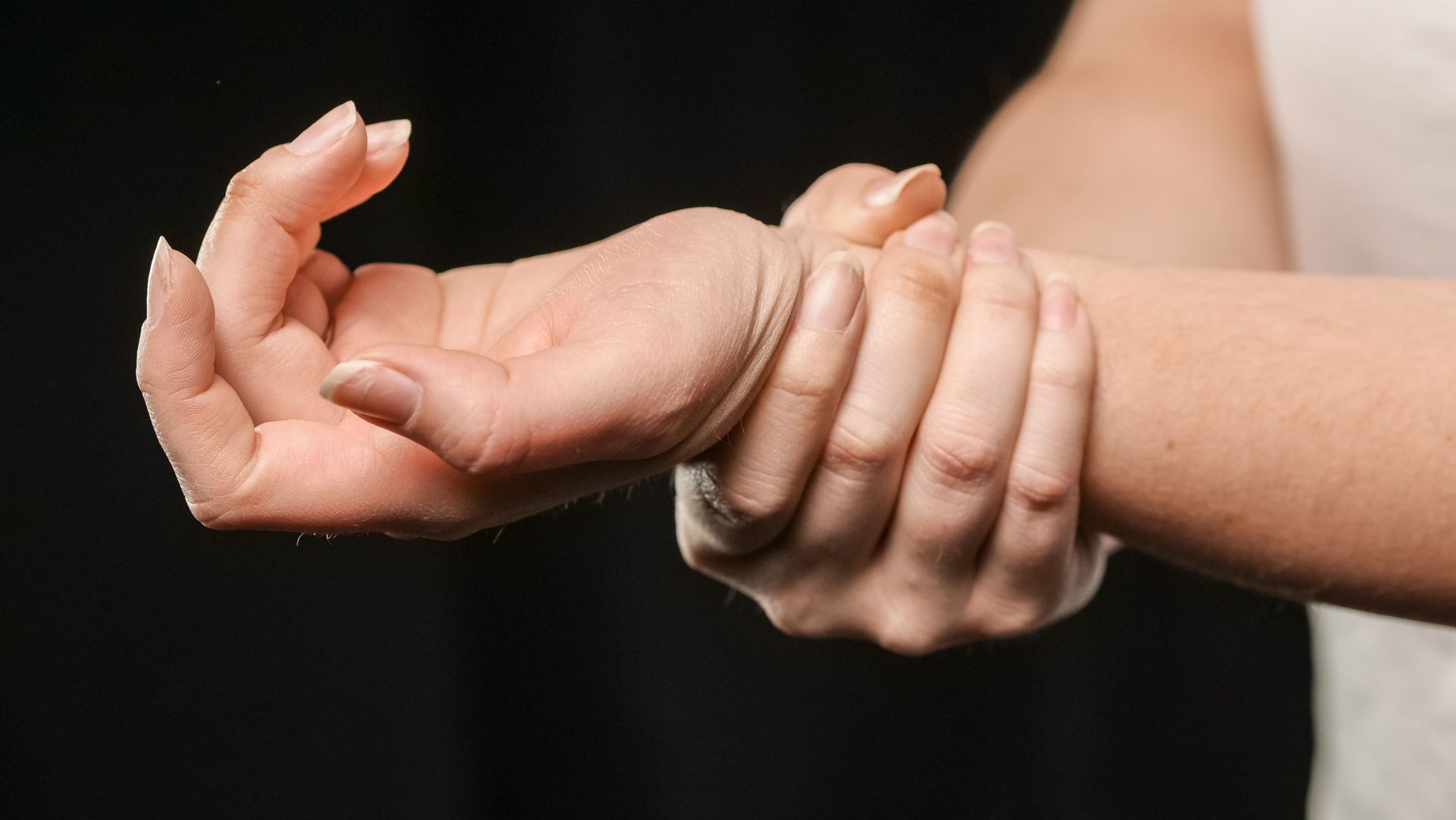
At 38, Anna was an avid runner who loved participating in local marathons. One sunny Saturday, during a training run, she twisted her left ankle on a rocky trail. Initially diagnosed with a sprain, her condition worsened, leading to a devastating diagnosis of Complex Regional Pain Syndrome (CRPS) after weeks of intense pain and swelling. The once-vibrant Sarah found herself struggling with daily tasks and withdrawing from friends, as the chronic pain took a toll on her mental health. In search of relief, Sarah turned to alternative therapies like craniosacral therapy and neural manipulation. These gentle approaches helped her reconnect with her body and manage her pain more effectively. Over time, she gradually reclaimed her life, embracing gentle activities like yoga and swimming. Through her journey, Sarah became an advocate for CRPS awareness, reminding others that healing involves not just overcoming pain, but finding joy in the journey. Complex Regional Pain Syndrome (CRPS) is a chronic pain condition that typically affects a limb after an injury, surgery, or trauma. The pain experienced is often disproportionate to the initial injury and can be accompanied by a variety of symptoms, including swelling, changes in skin color and temperature, and abnormal sweating. CRPS is commonly categorized into two types: CRPS I (formerly known as Reflex Sympathetic Dystrophy) occurs without a confirmed nerve injury, but rather an illness or minor injury. CRPS II (formerly known as Causalgia) follows a distinct nerve injury. Both types are characterized by severe pain, sensitivity to touch, and can lead to significant physical and psychological distress. Who Can Be Affected? CRPS can affect anyone, but it is more commonly seen in adults. Some of the risk factors include: Injury : Often follows an injury like a sprain or fracture. Surgery : Can develop post-operatively. Age : More prevalent in individuals between 40-60 years old. Gender : Women are affected more often than men. Psychological Factors : Individuals with a history of mental health conditions or mood disorders may be more susceptible. Common Forms of Treatment Once a diagnosis of CRPS has been reached, a combination of approaches may be utilized to help manage the symptoms. These may include: Medications : Pain relievers, anti-inflammatory drugs, and antidepressants. Physical Therapy : Helps maintain mobility and function of the tissues affected. Occupational Therapy : Focuses on restoring daily living skills that can be compromised by the syndrome. Nerve Blocks : Injection of anesthetics (such as lidocaine and a corticosteroid) to interrupt pain signals. Alternative Therapies for CRPS While conventional treatments are important, many individuals seek alternative therapies to help manage their symptoms effectively. Two such therapies gaining attention in the management of CRPS are craniosacral therapy and neural manipulation, both of which are offerings at Intrinsic Bodywork. Craniosacral Therapy Craniosacral therapy is a gentle, hands-on approach that focuses on the craniosacral system, which includes the membranes and cerebrospinal fluid surrounding the brain and spinal cord. Studies have shown this modality can improve the functioning of the central nervous system by serving to release tension around the spinal cord and improve cerebrospinal fluid circulation (which helps remove metabolic waste from the brain and acts as a protective barrier). Ensuring the nervous system is not agitated by external forces allows it to perform optimally. Evidence : A study published in the Journal of Bodywork and Movement Therapies found that craniosacral therapy can lead to significant improvements in pain levels and quality of life for patients with chronic pain conditions, including CRPS (Hansen et al., 2014). Neural Manipulation Neural manipulation is another alternative therapy that focuses on the treatment of nervous system dysfunction. It involves gentle manipulation of both the dural lining (the covering of the brain and spinal cord) and the fascial covering of individual nerves to improve function and relieve pain. This technique looks more closely at the relationship between the nervous system and the musculoskeletal system. Evidence : Research published in The Clinical Journal of Pain suggests that neural manipulation can significantly reduce pain and improve mobility in patients suffering from chronic pain syndromes (Jull et al., 2018). Conclusion Complex Regional Pain Syndrome is a challenging condition that can significantly impact a person’s quality of life. While conventional treatments are essential, incorporating alternative therapies like craniosacral therapy and neural manipulation may offer additional relief. As with any treatment, it’s crucial for patients to consult healthcare professionals to tailor a comprehensive treatment plan that meets their individual needs. References Hansen, M. M., et al. (2014). "Craniosacral therapy for chronic pain: a systematic review." Journal of Bodywork and Movement Therapies. Jull, G., et al. (2018). "The effectiveness of neural manipulation on chronic pain: a systematic review." The Clinical Journal of Pain.
Visceral and neural manipulation, craniosacral therapy and essential oils all have a role
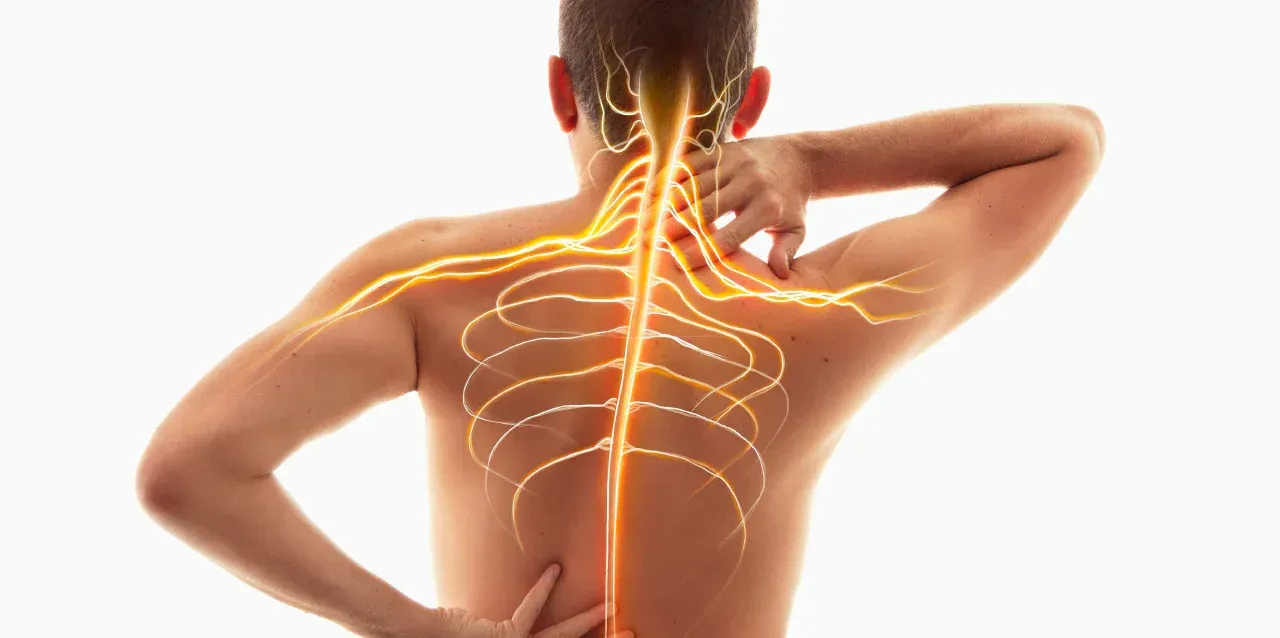
Feeling Tangled? How Neural Manipulation Unties Your Body’s Wiring

Living with Ehlers-Danlos Syndrome (EDS) can feel like trying to hold together a puzzle with rubber bands. People with EDS often face pain, joint dislocations, digestive problems, and fatigue — all because their body’s connective tissues (the glue that holds everything together) are too loose or stretchy. This can affect not only joints and skin but even internal organs. So what if there was a therapy that worked not just on muscles and bones, but also on the organs themselves — in a gentle, hands-on way? That’s where visceral manipulation comes in. What Is Visceral Manipulation? Visceral manipulation (VM) is a gentle, manual therapy that targets the internal organs — such as your stomach, intestines, liver, and bladder — to help them move more freely. The idea is that your organs need to glide and shift a little as your body moves. If they’re “stuck” or out of balance, it can cause discomfort in surprising places — even in your back, neck, or hips. This technique was developed by French osteopath Jean-Pierre Barral, and is used by trained physical therapists, osteopaths, and massage therapists around the world. According to the Barral Institute, which teaches this technique: “Visceral Manipulation is based on the premise that movement of the organs is necessary for healthy function. When these movements are restricted, they can cause pain and dysfunction.” — Barral Institute Why Might It Help People with EDS? People with EDS often have problems that go beyond joints. These can include: • Digestive issues (like bloating, constipation, or reflux) • Pelvic pain or bladder problems • Chronic pain in the abdomen, back, or ribs • Poor proprioception (difficulty sensing where your body is in space) Because the connective tissue in the body is weak or overly stretchy in EDS, the organs can shift out of place or not move properly. For example, someone might develop organ prolapse, or pain that isn’t explained by imaging but is still very real. Visceral manipulation gently encourages these organs and surrounding tissues to move more normally, without using force. For someone with fragile joints or stretchy tissues, this can be a safer alternative than more aggressive physical therapy. What Does It Feel Like? Most people describe it as very light pressure — almost like a soft massage. The therapist feels for tension or abnormal motion in the organs, and uses subtle hand movements to encourage balance. It’s not supposed to hurt. In fact, many people report feeling deeply relaxed or noticing changes in how their body feels after just one or two sessions. Is It Supported by Research? While research is still growing, some studies have shown promising results. For example, a 2021 review in Frontiers in Medicine noted that visceral techniques may be helpful for chronic low back pain, constipation, and pelvic pain, which are common complaints in people with EDS. “Visceral techniques may be a promising approach to address internal tensions and improve mobility and function.” — Frontiers in Medicine, 2021 DOI: 10.3389/fmed.2021.699262 More research is needed specifically for EDS, but many clinicians and patients report anecdotal success when it's used carefully as part of a holistic treatment plan. Things to Keep in Mind • Always look for a trained professional (certified by the Barral Institute or similar programs). • Visceral manipulation should be part of a comprehensive care plan, not the only treatment. • Because EDS patients are more vulnerable to tissue injury, clear communication and a gentle touch are essential. Final Thoughts For people with Ehlers-Danlos Syndrome, pain and discomfort can come from places you wouldn’t expect — even your organs. Visceral manipulation offers a gentle, non-invasive way to support the body’s internal systems and may help relieve some of the lesser-known (but no less frustrating) symptoms of EDS. As always, talk with your doctor or care team before trying a new therapy. But if you’re looking for a hands-on approach that looks inward — quite literally — visceral manipulation could be worth exploring.
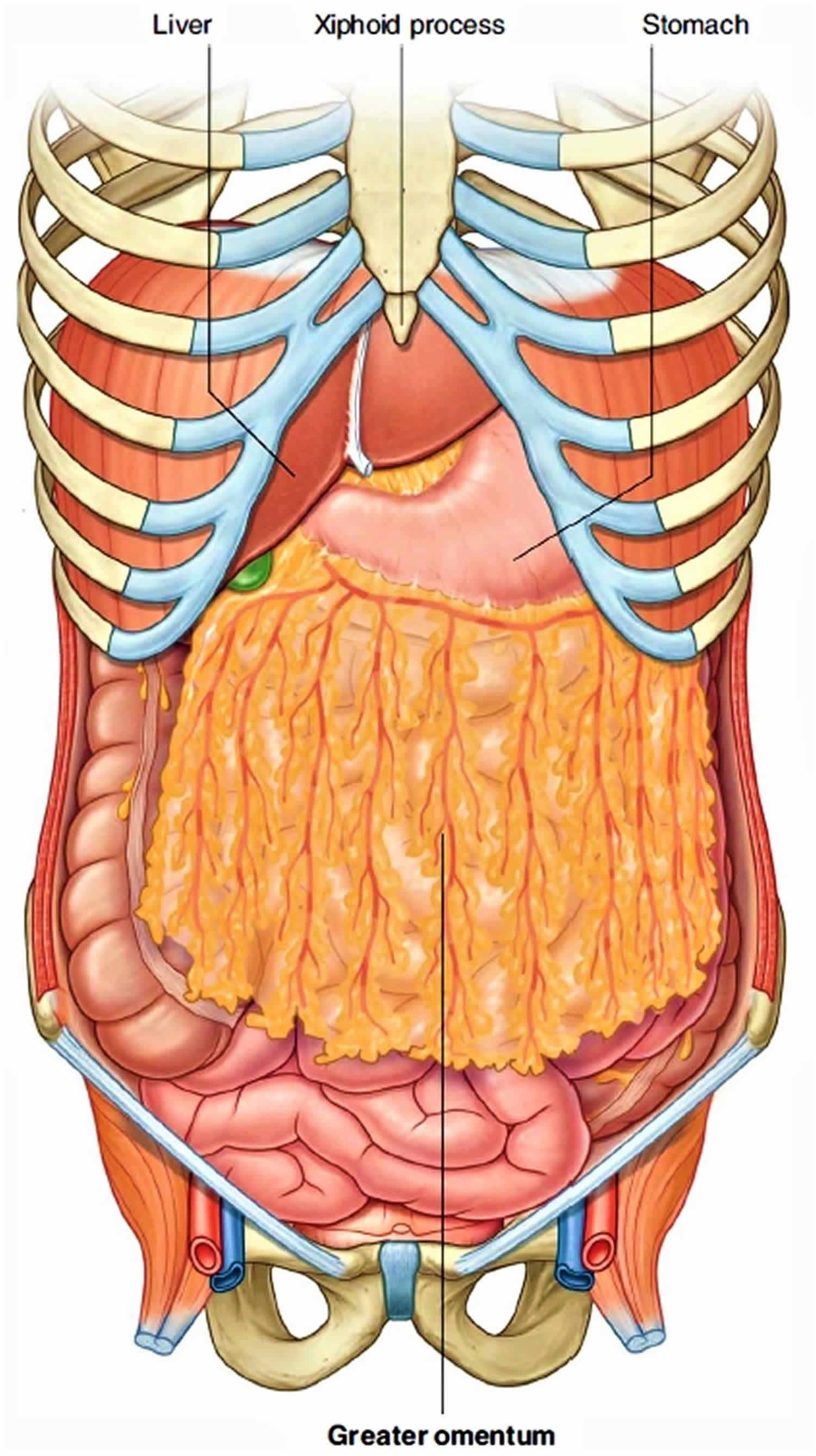
The greater omentum, often referred to as the "apron of the abdomen," is a large, fatty fold of tissue that hangs down from the stomach and the first part of the small intestine. Its role in the body is both protective and regulatory, yet it is often overlooked when considering the complex workings of our internal systems. Understanding the significance of the greater omentum—both in general health and within the scope of visceral manipulation—offers valuable insights into how it influences overall well-being and how manual therapy can support its functions. The Role of the Greater Omentum 1. Protection and Immune Function: The greater omentum plays a crucial role in protecting the organs inside the abdominal cavity. It acts as a barrier against infection, migrating to areas of injury or infection and helping to encapsulate damaged or infected tissues. This process can prevent the spread of harmful bacteria or toxins. It also contains a large number of lymph nodes. 2. Fat Storage and Energy Regulation: As a fatty structure, the greater omentum serves as a storage site for energy in the form of fat. This fat is not only a reserve for energy but also plays a role in insulating the organs and regulating body temperature. 3. Metabolic and Hormonal Regulation: The greater omentum produces various molecules that can influence inflammation and metabolic processes. Its fat cells secrete hormones to help regulate appetite, insulin sensitivity, and even our immune response.
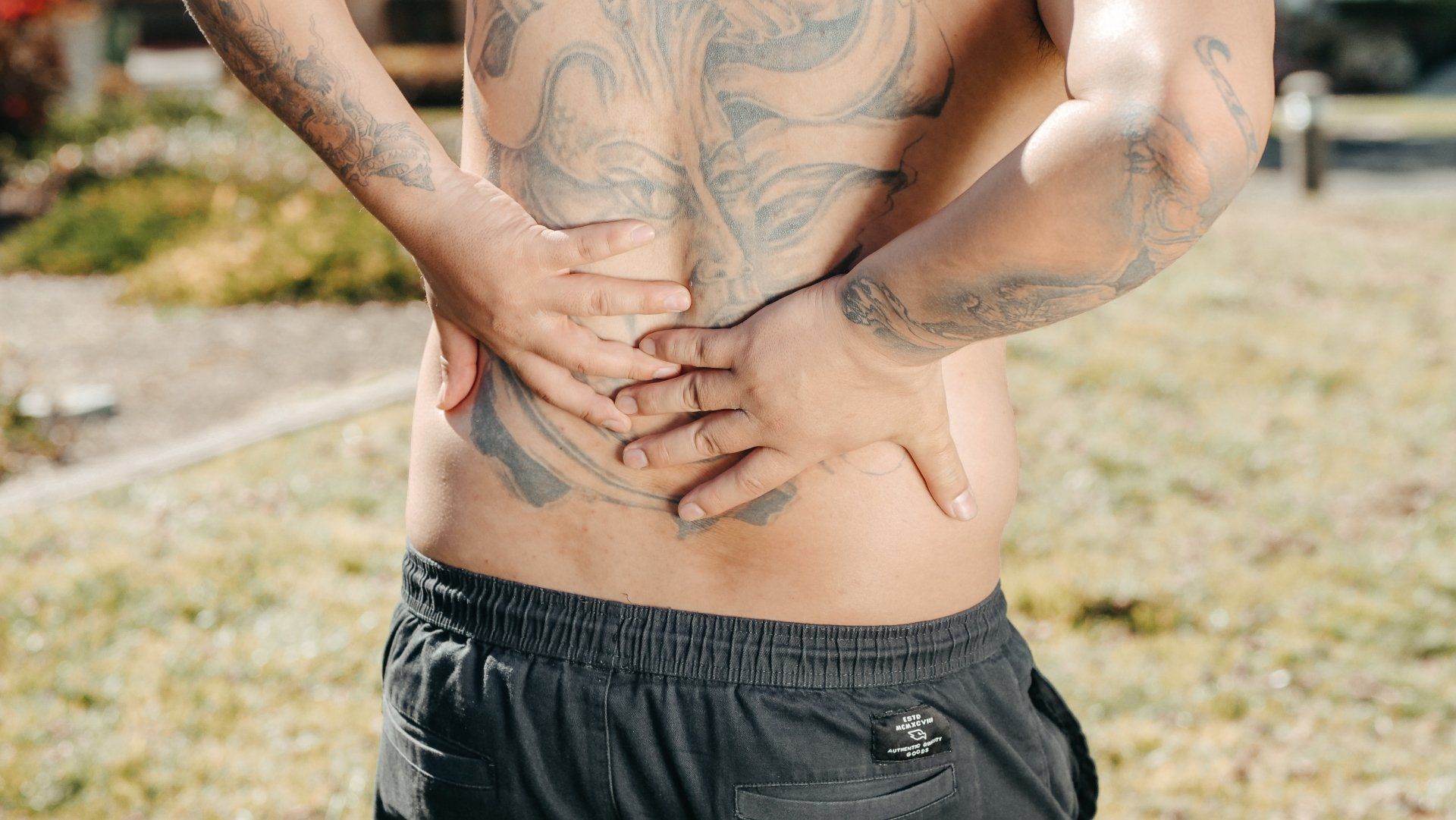
Chronic low back pain (CLBP) is a prevalent condition affecting millions of individuals. Traditional treatments often focus solely on the musculoskeletal system, neglecting the potential contribution of the connective tissue and organs to this complex issue. That is where visceral manipulation (VM) comes in: VM specifically looks at the interconnectedness between the organs and musculoskeletal system via our connective tissue, offering a unique perspective on alleviating chronic pain. Just as muscles can develop tension and restrictions, so too can the supporting structures of our organs. After all, they are working just as hard to keep our body functioning as smoothly as possible! As tension develops around our organs, one of two things (or both) can happen: either that tension begins to affect the organ's ability to do its function, or it affects the surrounding fascia, ligaments, and nerves thereby creating more tension and imbalance for those structures. When an organ experiences dysfunction or tension, it can create a domino effect leading to musculoskeletal imbalances in the tissues around it. For instance, the sigmoid colon can commonly develop tension around the fascial sheath that secures it in place. This sheath attaches to our back abdominal wall, near other muscles and nerves that would support low back and pelvic movement. Once tension is added to this sheath, it can easily affect the surrounding tissues as well. In the case of the sigmoid colon, tension here will commonly present as left low back pain, left sacroiliac restriction, or circulation issues of the left leg. Another example of visceral restrictions contributing to back pain would be the kidneys. The kidneys rest directly on top of a very powerful muscle called the psoas. The psoas is responsible for helping us walk through the action of hip flexion, as well as allowing us to bend over at the waist. The close relationship between the kidneys and psoas mean that dysfunction in one can very easily have an impact on another. Not only may you see issues with range of motion, but pain will develop as this dysfunction persists, usually creating a deep ache that starts on your back just below the ribs on the affected side. In cases of severe kidney tension, not only will it manifest in low back pain but it also has the ability to affect bladder function too, as the tension starts to affect the ureters. These are just a few examples of how organs and their fascial support systems can be involved with low back pain. For those suffering from CLBP without much improvement from traditional manual therapy, the alternative approach of visceral manipulation may provide the answer long searched for.
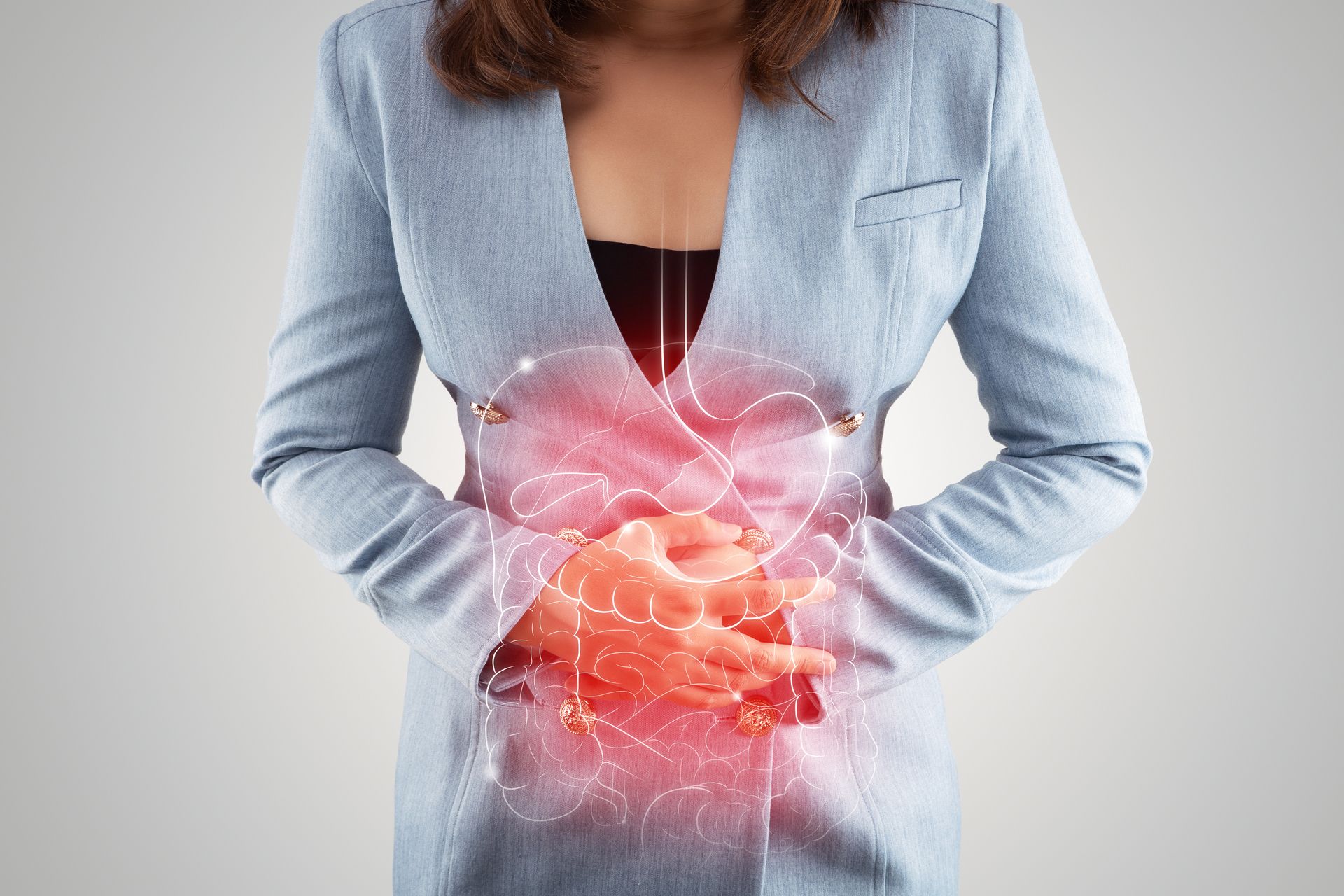
Bloating. Stomach discomfort. The pain that comes from straining when we go to the bathroom. Most of us have experienced constipation now and again, but for some it is an uncomfortable way of life. Clinically, constipation is recognized as fewer than 3 bowel movements a week. The causes can be numerous: dehydration, lack of fiber in the diet, anxiety/depression, and medication side effects could all be contributors to constipation. Laxatives are a common go-to in situations like these, such as Miralax or natural alternatives such as senna. And these can be wonderful solutions for the occasional bout of constipation. But for those who deal with constipation regularly, the use of laxatives serves as a proverbial band-aid for the problem, without addressing the root cause (not to mention the added risk of dehydration). So, what are a few ways to address chronic constipation naturally? 1. Get plenty of water . The more water you drink, the more makes it into your colon to help soften fecal matter and allow it to move more smoothly through the large intestine. Adding lemon to your water (in moderation) is also a boon: lemons contain citric acid, which is a type of natural laxative to stimulate bowel contractions. But make sure to limit your intake of lemon water to first thing in the morning, and at the end of the night, to ensure you don’t risk tooth erosion or possible acid reflux due to the acid content. 2. Make sure your diet contains lots of fiber . Look to incorporate whole grains, legumes, fruits and vegetables into your diet. Beans, lentils, apples, avocados, broccoli, and dried fruits such as prunes are all great options. 3. Adjust your position . Research has shown that posture during bowel movements can influence the ease of elimination. The best posture is to have the knees elevated above the hips, with a relaxed belly. This is why in recent years there has been such a push for products such as the Squatty Potty. 4. Perform abdominal massage . Gentle, scooping motions that follow the large intestine can help soften areas of hardened stool and encourage peristalsis (the movement of waste through the colon). To do this, start at the lower left portion of your abdomen and scoop downwards. Move your hands up 2 inches and scoop downwards again. Repeat until you are just underneath the ribs on the left side. Next, move your hands 2 inches to the right, and scoop towards the left. Move 2 more inches to the right, and scoop again towards the left until you reach the right side of your abdomen just underneath the ribs. Move 2 inches down towards your hip and scoop up towards the ribs. Move down 2 inches and scoop up. Stop when you reach the prominence of your right hip, then do one long massage stroke in the exact reverse order – up the right side, across to the left, and down the left side. You can repeat this whole process 3-4 times. 5. Incorporate essential oils with your abdominal massage . Due to their lipid solubility, essential oils can be absorbed through the skin to have an impact internally. Adding essential oils into your abdominal massage (above) enhances your likelihood of having a bowel movement. General blend: rosemary, lemon, peppermint. For children: geranium, patchouli, mandarin. During pregnancy: patchouli. For elderly: patchouli, rosemary, fennel. * 6. Get visceral manipulation treatments . It is very possible that the cause of your chronic constipation could be something mechanically restricting the bowels. A visceral manipulation therapist will be able to identify the areas of restrictions, and using gentle techniques, improve the resiliency of the tissues to allow for smoother and more regular peristalsis. *information obtained from The Complete Book of Essential Oils and Aromatherapy, by Valerie Ann Worwood.

It is not uncommon for me to go through a series of treatment sessions with an individual, discover lines of tension relating to one or two particular organs, and get asked “why is it like that?” It’s a fair question. We all want to have a better and deeper understanding of our bodies. And sometimes, the answer is relatively simple: car accidents can negatively impact the lungs, the liver, and a wide host of ligamentous structures. Eating inflammatory foods can have a serious effect on the stomach and intestines. Even our posture can create tension around our kidneys or pelvic organs. But it is important to remember that our bodies are both miraculous and mystifying, and in keeping tone with the latter, sometimes the answer we search for is not so easily identified. Recently, I began working with a 33-year-old woman who, among other things, was experiencing bladder incontinence issues. She was a very active woman: jogging and participating in yoga every day, eating a healthy diet including plenty of water and teas and meal prepping every week. She maintained a regimented schedule at her job as a software engineer, alternating seated versus standing at her desk. No history of childbirths or other pelvic conditions. And while I commonly begin to expect at this point that I will find lines of tension that go from the problem area to another region in the body (the true point of origin), that was not the case here. All assessment led straight to the bladder. Furthermore, after 3 sessions of treatment with very little change in the bladder incontinence, both she and I were getting frustrated. That was when I realized I had been overlooking a major component of her health: her mind-body wellness. I began discussing with her the possibility of somatization – the production of physical symptoms as a result of mental or emotional trauma. In her case, the bladder is often associated with control, or the inability to let go. As her eyes changed from narrowed skepticism to wide-eyed comprehension, I saw that we might be on to something. She then began to openly discuss the very strict childhood upbringing she had, and how to this day it was important for her to get everything right, because that was how she minimized getting in trouble with her parents. It was how she controlled the narrative, and she took that habit into adulthood. This discussion was not exactly a revelation for her; she had discussed this at depth in therapy several years before but thought she had fully moved on from this maladaptive coping mechanism; her bladder however begged to differ. Soon after, by tailoring our treatment using different essential oils and herbs, and by her revisiting her techniques she learned from therapy years prior, we finally resolved the bladder incontinence issues. The idea of internalizing our emotions is nothing new. How long have we been using the idioms “butterflies in my stomach” to describe our nerves and anxiety, “having a gut feeling” when our intuition warns us of something, or we “swallow our pride” to accept something humiliating? Research and books exist out there that go further into the exploration of how our emotions can impact our physiological function, but I cannot recommend enough the book “Understanding the messages of your body: how to interpret physical and emotional signals to achieve optimal health” by Jean-Pierre Barral. In it, Barral explains the emotions that commonly get stored in our bodies and can lead to the development of very real, very challenging, physical conditions. Some of these include: The heart, and its connection to guilt, hatred, and excessive attachment The liver, and its connection to anger, rage, and a tendency towards pessimism The stomach, and its connection to poor self-esteem, social stress, and a fear of failure The kidneys, and their connection to reactive fear, abandonment issues, and insecurity * The body remembers our traumas, whether they be physical or emotional. In our effort to pursue good health, it should be remembered that our physical health can be a mirror into our emotional well-being…if only we can be brave enough to look. *from “Understanding the messages of your body: how to interpret physical and emotional signals to achieve optimal health” by Jean-Pierre Barral
The term “viscera” relates to the internal organs of the body such as the stomach, liver, large intestine, etc. The organs of the body are made up of tissue and fascia and ligaments just like the muscles are (albeit in a slightly different form), and as such are prone to similar problems such as inflammation, swelling, tightness, and adhesions. VM gently addresses these restrictions or unhealthy compensations that may be causing your body pain and distress and challenging your organs abilities to function properly. Visceral manipulation was developed by a French osteopathic physician named Jean-Pierre Barral in the 1980’s. His interest in biomechanics led him to study the interrelated components of the body and how lines of tension can affect muscles, fascia, bones, and organs. This led to the understanding of how organs need to move to maintain optimal function. For example, when you take a breath your kidneys move one inch; and with deep inhalation they can move up to 4 inches! Add that up in a typical day and your kidneys will have traveled close to a half mile! This movement however isn’t isolated. The movement of organs is transmitted through fascia to other structures of the body. A healthy body will have easy movement of the organs. However, organs can begin to lose this mobility due to trauma (accidents), surgeries (scar tissue), lifestyle (inflammatory diets), posture (slouching that compresses the organs) and a slew of other factors. Let’s go back to our kidneys; imagine that scar tissue has formed around one of the kidneys, making movement of the kidney during deep breathing restricted. Over time, the side that has limited kidney mobility may then cause fascial adhesions which could limit the movement of the rib cage, and then the same side lung. Or the restricted kidney could pass the dysfunction along a line of tension through the ureter, and now voiding the bladder has become a strained activity. But fortunately, through the methods developed by Dr. Barral, VM can address these lines of tension that affect the internal organs, thereby improving visceral movement and the functions of the organs as a whole. Just like with traditional massage therapy, VM addresses biomechanical chains (everything is connected!): a restriction in the stomach could affect the esophagus which in turn could affect swallowing. Liver immobility reduces fluid flow on the left side of the body which can translate into shoulder stiffness and range of motion issues. That is why VM has been shown to benefit people suffering from a wide range of diseases: joint pain, IBS, fibroids and cysts, acid reflux, headaches and migraines, chronic pelvic pain, lower back pain and sciatica, whiplash, and anxiety and depression. VM isolates the tension patterns that lead to dysfunction, and gently utilizes fascial techniques and motility enhancement to free up the organs for improved movement and function.