Alternative therapies and their role in helping leaky gut syndrome
Visceral and neural manipulation, craniosacral therapy and essential oils all have a role
As a practitioner in the field of manual therapies, I’ve witnessed the rising awareness of leaky gut syndrome—an issue marked by increased intestinal permeability (allowing bacteria and undigested food particles to "leak" through the intestinal barrier and enter the bloodstream) that can lead to various health complications, including digestive disorders, autoimmune diseases, and chronic inflammation. While dietary changes and probiotics are often the first recommendations, I have found that alternative manual therapies like visceral manipulation, craniosacral therapy, and neural manipulation can also play a significant role in healing the gut.
Visceral Manipulation
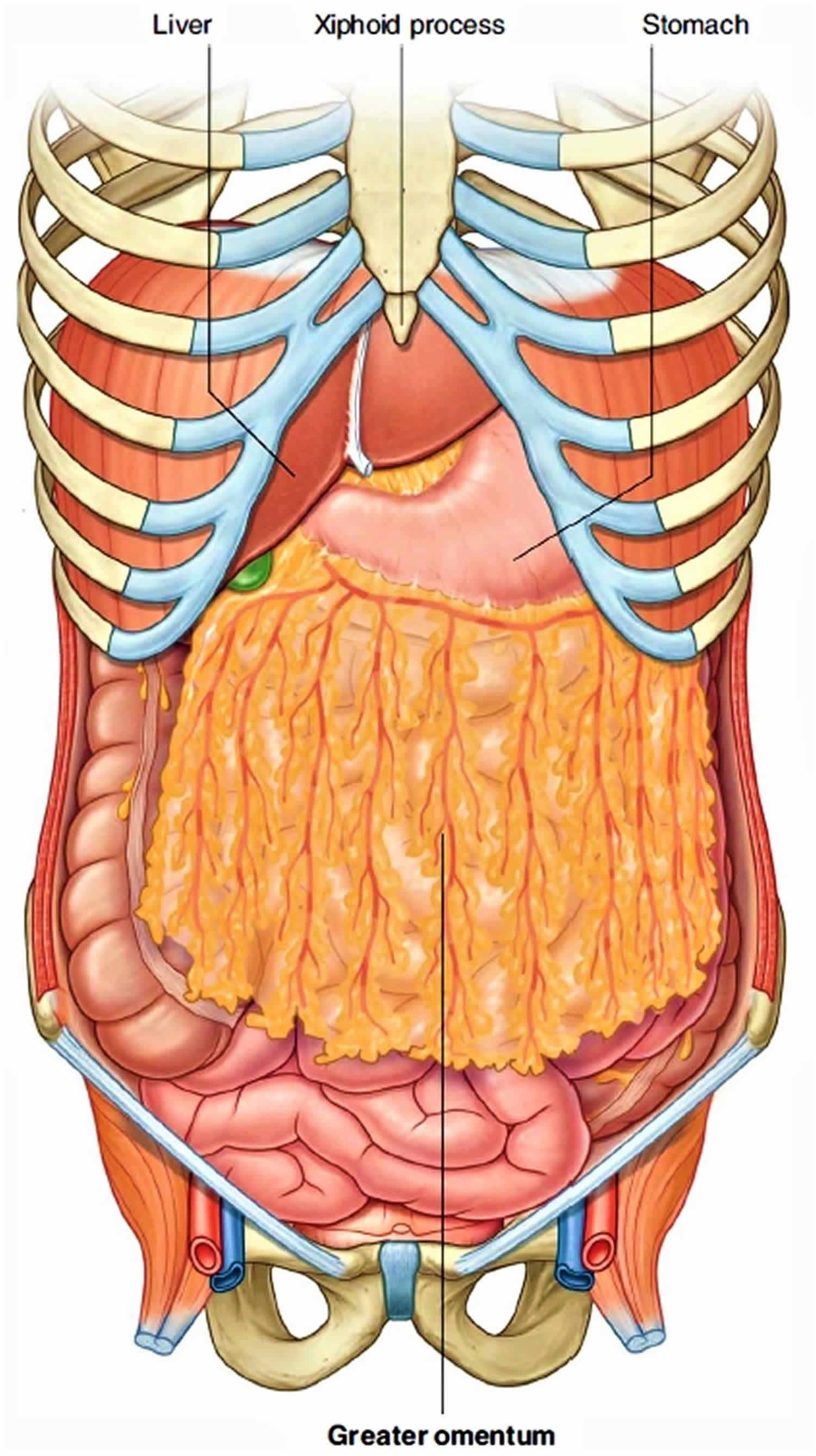
In my practice, visceral manipulation has been a powerful tool. Developed by Jean-Pierre Barral, this gentle manual therapy focuses on the body’s internal organs and their interconnections. Many clients come to me with physical restrictions or discomfort around their organs, but by employing the gentle and specific VM techniques, I aim to restore normal movement and function to these organs, allowing for a better state of healing in the tissues.
Research supports my observations; a study published in the Journal of Bodywork and Movement Therapies indicated improvements in gastrointestinal symptoms among patients receiving visceral manipulation (Mann et al., 2014). Much of this is accomplished through enhanced blood flow to the organs and reduced inflammation, leading to better overall gut function.
Craniosacral Therapy
Craniosacral therapy (CST) is another modality I often utilize. This therapy focuses on the craniosacral system, which includes the membranes and cerebrospinal fluid surrounding the brain and spinal cord. I’ve found that restrictions in this system can significantly impact the digestive system, especially as it relates to thoracic and lumbar spinal innervations as well as the buzziest nerve of them all lately - the vagus nerve - which is responsible for the 'rest and digest' portion of our nervous system.
Craniosacral therapy is effective in reducing stress and tension, factors that can significantly impact gut health. Many of my clients have shared their experiences of feeling more relaxed and noticing improvements in their digestive function following treatment. Research published in The Journal of Alternative and Complementary Medicine supports these observations, highlighting the benefits of CST in promoting overall well-being (Harris et al., 2010). By fostering a sense of relaxation and supporting the body’s natural ability to heal, I consider CST an essential part of addressing leaky gut symptoms.
Neural Manipulation
I also incorporate neural manipulation into my practice, a technique that focuses on the nervous system to release restrictions and improve the function of nerves and their surrounding tissues. Given that the gut is highly innervated and connected to the autonomic nervous system, I’ve found this therapy particularly beneficial for clients with leaky gut.
Research suggests that neural manipulation can reduce pain and improve organ function by normalizing nerve function and reducing inflammation. In fact, a study published in Clinical Rehabilitation noted significant improvements in chronic pain patients following neural manipulation (Lehmann et al., 2017). Witnessing the positive changes in my clients reinforces my belief in the power of this therapy.
Essential Oils for Abdominal Care
In addition to manual therapies, I often recommend essential oils to help manage symptoms of leaky gut. Oils such as peppermint, ginger, and lavender are among my favorites for their digestive-supporting properties.
Peppermint oil can alleviate bloating and gas, while ginger oil offers anti-inflammatory and soothing effects on the digestive tract.
Lavender oil promotes relaxation, which is vital since stress can exacerbate gut issues.
My personal favorite that I keep in my arsenal for all things related to digestion is the Gut Aid blend, which combines many of the aforementioned wonders: peppermint, tarragon, lemongrass, sweet fennel, star anise, and ginger.
I advise my clients to dilute a few drops of these oils in a carrier oil like coconut or jojoba oil and gently massage the mixture into their abdomen. This simple practice can enhance circulation and relieve discomfort.
The Role of Diet and the Microbiome
While I firmly believe in the benefits of alternative manual therapies and essential oils, I also recognize the foundational role of diet and the gut microbiome in managing leaky gut. I encourage my clients to adopt a diet rich in whole foods, fiber, and probiotics to restore gut health and maintain a balanced microbiome. Reducing processed foods, sugar, and gluten can also significantly alleviate symptoms.
For those interested in exploring dietary changes further, I recommend the knowledgeable staff over at Ann Arbor Holistic Health. They can provide tailored guidance to help navigate dietary choices and support your healing journey.
References
Harris, R. E., & et al. (2010). Craniosacral therapy: A systematic review of the literature. The Journal of Alternative and Complementary Medicine, 16(4), 423-431.
Lehmann, T. A., & et al. (2017). Neural manipulation and chronic pain: A pilot study. Clinical Rehabilitation, 31(1), 85-92.
Mann, M. A., & et al. (2014). The effects of visceral manipulation on gastrointestinal function in patients with functional gastrointestinal disorders. Journal of Bodywork and Movement Therapies, 18(1), 99-104.