CRPS Unraveled: Exploring Pain, Treatment, and Holistic Solutions
At 38, Anna was an avid runner who loved participating in local marathons. One sunny Saturday, during a training run, she twisted her left ankle on a rocky trail. Initially diagnosed with a sprain, her condition worsened, leading to a devastating diagnosis of Complex Regional Pain Syndrome (CRPS) after weeks of intense pain and swelling. The once-vibrant Sarah found herself struggling with daily tasks and withdrawing from friends, as the chronic pain took a toll on her mental health.
In search of relief, Sarah turned to alternative therapies like craniosacral therapy and neural manipulation. These gentle approaches helped her reconnect with her body and manage her pain more effectively. Over time, she gradually reclaimed her life, embracing gentle activities like yoga and swimming. Through her journey, Sarah became an advocate for CRPS awareness, reminding others that healing involves not just overcoming pain, but finding joy in the journey.
Complex Regional Pain Syndrome (CRPS) is a chronic pain condition that typically affects a limb after an injury, surgery, or trauma. The pain experienced is often disproportionate to the initial injury and can be accompanied by a variety of symptoms, including swelling, changes in skin color and temperature, and abnormal sweating. CRPS is commonly categorized into two types:
- CRPS I (formerly known as Reflex Sympathetic Dystrophy) occurs without a confirmed nerve injury, but rather an illness or minor injury.
- CRPS II (formerly known as Causalgia) follows a distinct nerve injury.
Both types are characterized by severe pain, sensitivity to touch, and can lead to significant physical and psychological distress.
Who Can Be Affected?
CRPS can affect anyone, but it is more commonly seen in adults. Some of the risk factors include:
- Injury: Often follows an injury like a sprain or fracture.
- Surgery: Can develop post-operatively.
- Age: More prevalent in individuals between 40-60 years old.
- Gender: Women are affected more often than men.
- Psychological Factors: Individuals with a history of mental health conditions or mood disorders may be more susceptible.
Common Forms of Treatment
Once a diagnosis of CRPS has been reached, a combination of approaches may be utilized to help manage the symptoms. These may include:
- Medications: Pain relievers, anti-inflammatory drugs, and antidepressants.
- Physical Therapy: Helps maintain mobility and function of the tissues affected.
- Occupational Therapy: Focuses on restoring daily living skills that can be compromised by the syndrome.
- Nerve Blocks: Injection of anesthetics (such as lidocaine and a corticosteroid) to interrupt pain signals.
Alternative Therapies for CRPS
While conventional treatments are important, many individuals seek alternative therapies to help manage their symptoms effectively. Two such therapies gaining attention in the management of CRPS are craniosacral therapy and neural manipulation, both of which are offerings at Intrinsic Bodywork.
Craniosacral Therapy
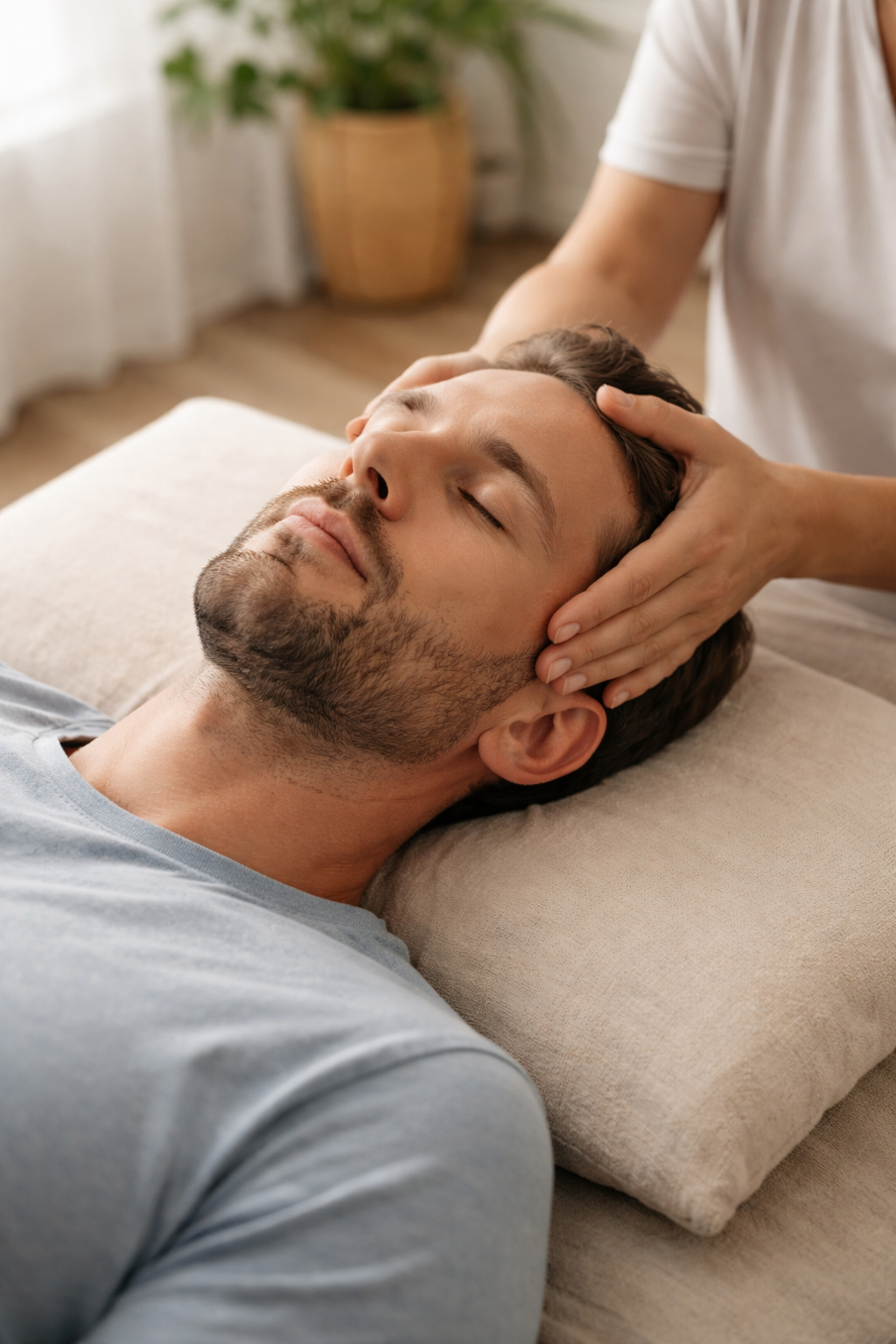
Craniosacral therapy is a gentle, hands-on approach that focuses on the craniosacral system, which includes the membranes and cerebrospinal fluid surrounding the brain and spinal cord. Studies have shown this modality can improve the functioning of the central nervous system by serving to release tension around the spinal cord and improve cerebrospinal fluid circulation (which helps remove metabolic waste from the brain and acts as a protective barrier). Ensuring the nervous system is not agitated by external forces allows it to perform optimally.
Evidence:
- A study published in the Journal of Bodywork and Movement Therapies found that craniosacral therapy can lead to significant improvements in pain levels and quality of life for patients with chronic pain conditions, including CRPS (Hansen et al., 2014).
Neural Manipulation
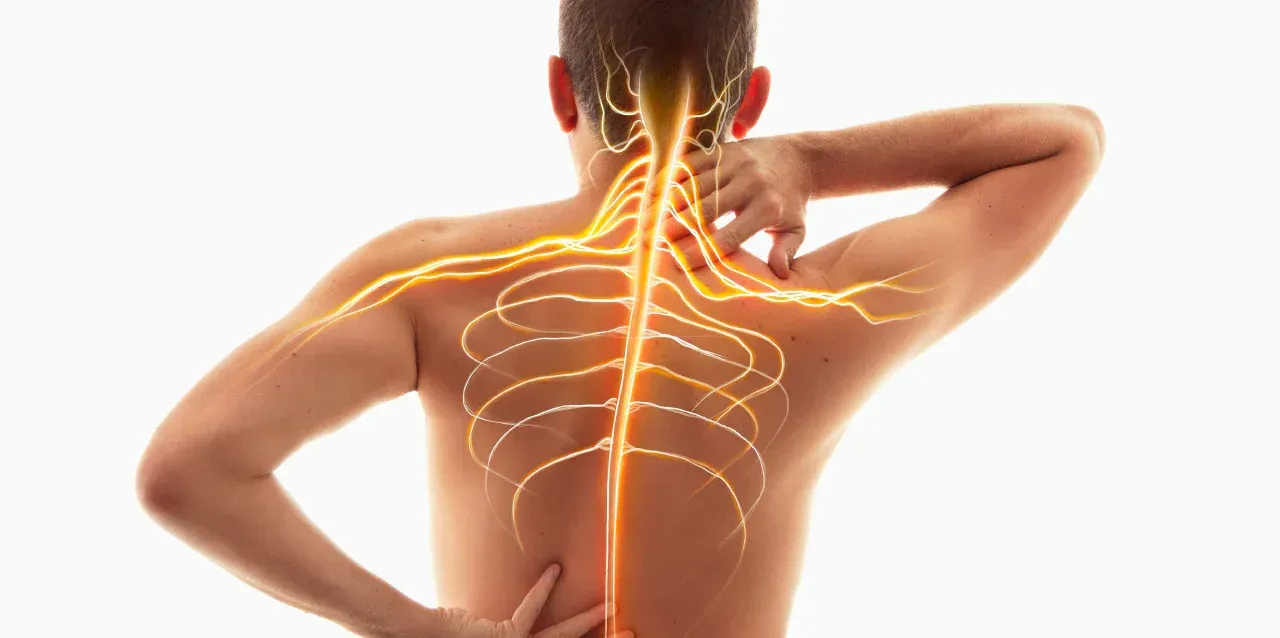
Neural manipulation is another alternative therapy that focuses on the treatment of nervous system dysfunction. It involves gentle manipulation of both the dural lining (the covering of the brain and spinal cord) and the fascial covering of individual nerves to improve function and relieve pain. This technique looks more closely at the relationship between the nervous system and the musculoskeletal system.
Evidence:
- Research published in The Clinical Journal of Pain suggests that neural manipulation can significantly reduce pain and improve mobility in patients suffering from chronic pain syndromes (Jull et al., 2018).
Conclusion
Complex Regional Pain Syndrome is a challenging condition that can significantly impact a person’s quality of life. While conventional treatments are essential, incorporating alternative therapies like craniosacral therapy and neural manipulation may offer additional relief.
As with any treatment, it’s crucial for patients to consult healthcare professionals to tailor a comprehensive treatment plan that meets their individual needs.
References
- Hansen, M. M., et al. (2014). "Craniosacral therapy for chronic pain: a systematic review." Journal of Bodywork and Movement Therapies.
- Jull, G., et al. (2018). "The effectiveness of neural manipulation on chronic pain: a systematic review." The Clinical Journal of Pain.