Unlocking Relief: How Visceral and Neural Manipulation Can Alleviate Pelvic Pain
Pelvic pain and pelvic floor dysfunction can really disrupt life for many women, causing discomfort and affecting everything from daily activities to emotional well-being. Understanding this pain can be tricky because it often involves a mix of physical and emotional factors. But there’s some hope with treatments like visceral manipulation and neural manipulation, which are gaining popularity as alternative therapies.
What Are Visceral and Neural Manipulation?
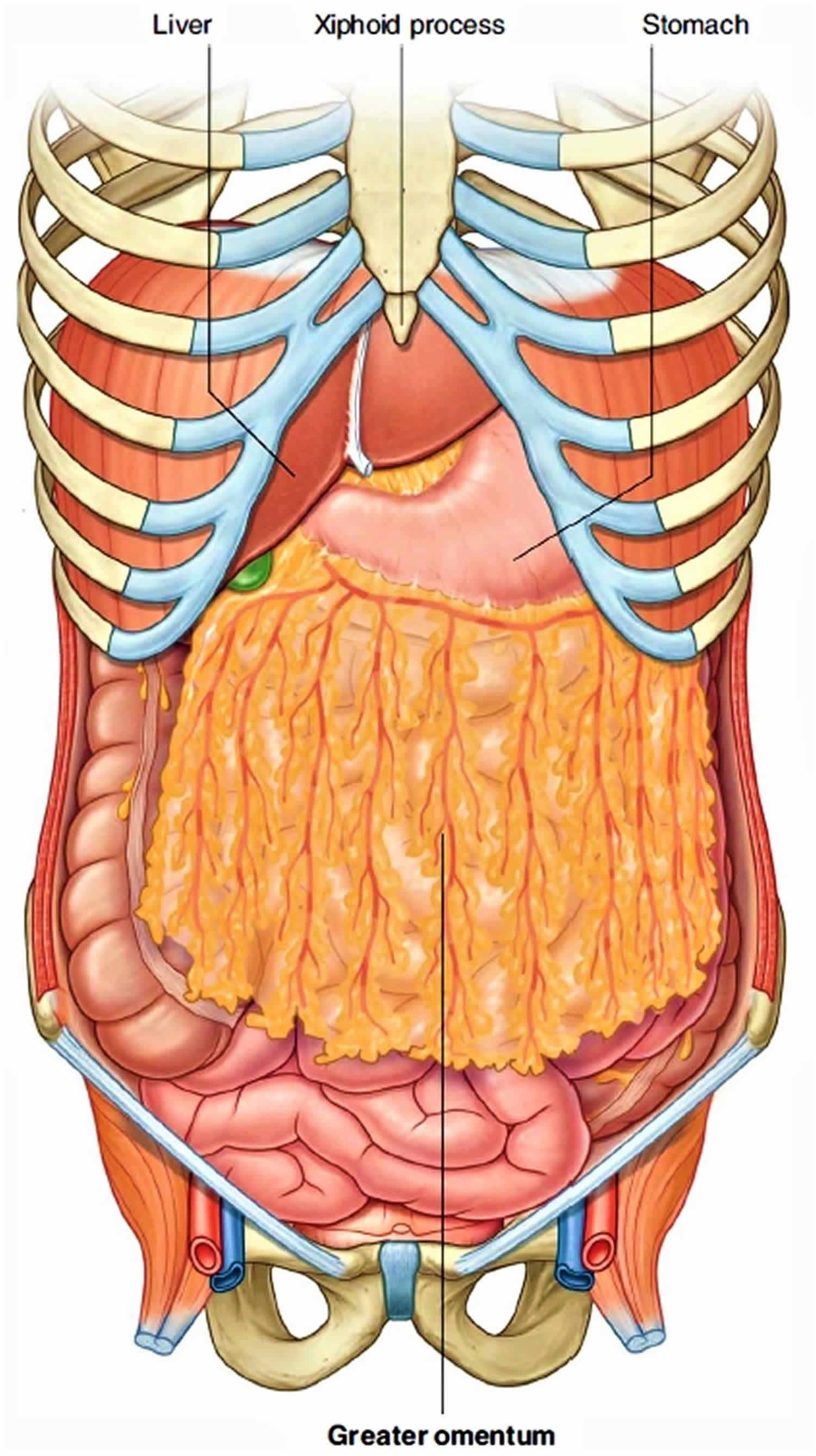
Visceral Manipulation is a hands-on therapy created by French osteopath Jean-Pierre Barral. This technique focuses on your internal organs (the viscera) and the tissues around them. The idea is that by gently feeling and mobilizing these areas, practitioners can help the tissue work better and feel less painful.
Neural Manipulation is another technique from Barral that zeroes in on the nervous system. It looks at how restrictions around the nerves can lead to pain or dysfunction. By addressing these issues, neural manipulation aims to improve communication between your body and brain, potentially easing pain.
How Can These Techniques Help with Pelvic Pain?
- Getting to the Root of the Problem:
- Many times, pelvic pain comes from issues like scar tissue or inflammation in the pelvic area. Both visceral and neural manipulation focus on these underlying problems, helping to reduce discomfort and improve function.
- Boosting Blood Flow and Nerve Function:
- By using various techniques, visceral manipulation can improve blood flow to the pelvic region, which helps with healing and reduces inflammation. Neural manipulation can also restore proper nerve function, potentially lowering the pain signals your brain receives.
- Emotional Release:
- Pelvic pain often brings emotional stress along with it. Both therapies can help release some of that emotional baggage by addressing the physical tension in the body, allowing women to feel more in control of their health.
- A Holistic Approach:
- These therapies don’t just treat physical symptoms; they also consider emotional and psychological factors. This all-around approach helps women understand their bodies better and encourages them to take charge of their health.
What Do the Studies Say?
While research is ongoing, some studies and patient stories support the effectiveness of these treatments. For example:
- A study in the Journal of Bodywork and Movement Therapies showed that women with chronic pelvic pain experienced significant improvements after visceral manipulation. They reported feeling less pain and a better quality of life, suggesting this therapy could be a game-changer (Roth et al., 2012).
- Anecdotal evidence around neural manipulation indicates that it can help with pelvic floor dysfunction. Many patients say they feel more in tune with their bodies and experience less pain after treatment.
Visceral and neural work, or internal pelvic floor therapy?
While visceral and neural manipulation provide a great framework for addressing adhesions and inflammation within the pelvic bowl, the results of this work can also be enhanced with traditional physical therapy from a trained pelvic floor therapist.
This type of therapy typically involves hands-on techniques that focus on the pelvic floor muscles, aiming to identify and address tightness, weakness, or dysfunction in these muscles, which can contribute to pelvic pain and issues like incontinence. During sessions, the therapist might use gentle pressure or specific exercises to help relax tight muscles or strengthen weaker ones. This approach not only helps improve physical function but also enhances body awareness, empowering women to better understand their pelvic health. Many patients report feeling more comfortable and in control after just a few sessions, making it a valuable part of a holistic treatment plan.
Are you searching for a phenomenal pelvic floor physical therapist in Ann Arbor? Check out Dr. Bridget Kane at Resilient Root Physical Therapy
Sources:
- Roth, B., et al. (2012). "Visceral Manipulation: A Review of the Literature." Journal of Bodywork and Movement Therapies.
- Barral, J.-P. (2011). Visceral Manipulation.